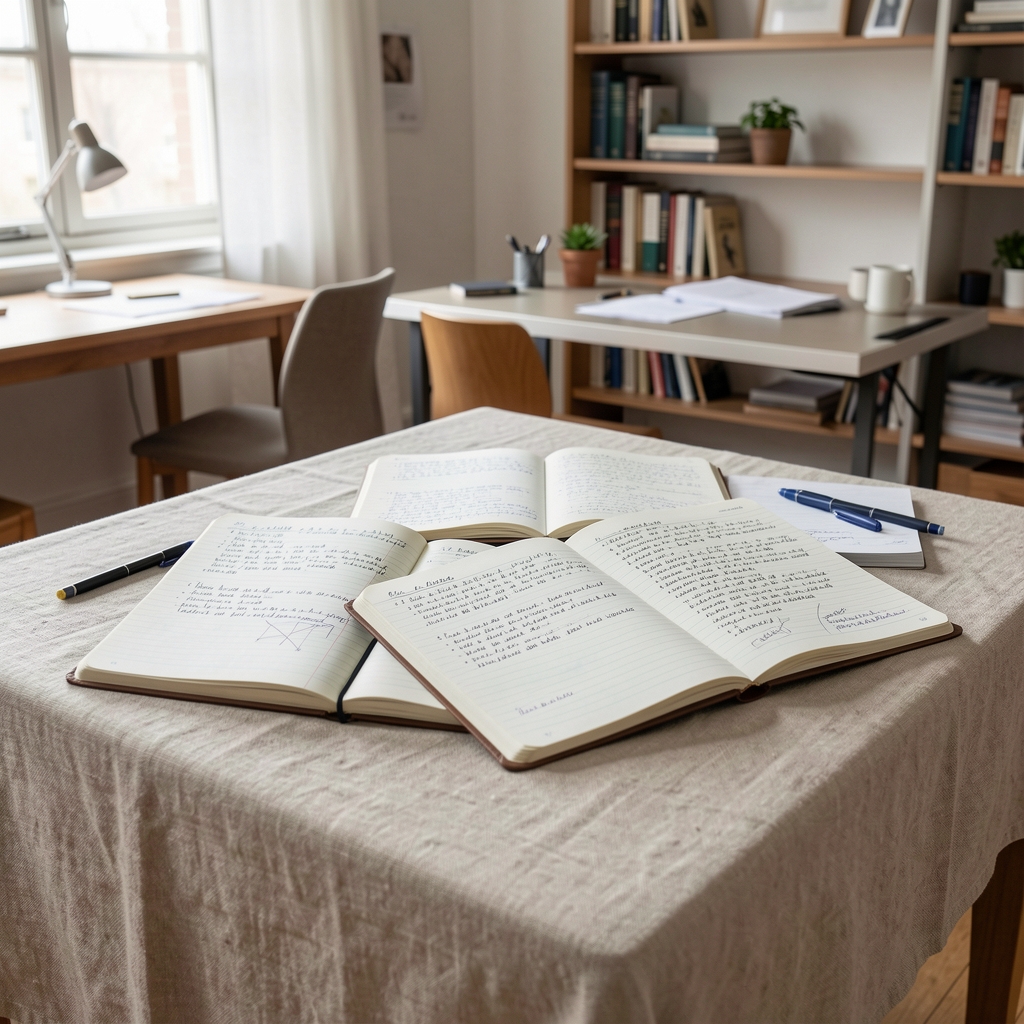
Darlev Notebook is an independent editorial publication based in Bloomsbury, London. It began as a single editor's private record of weekly meals and grew into a shared publication for attentive readers.

Darlev Notebook exists as a quiet record of contemporary food practices. It does not follow trends or seasonal enthusiasm. It follows attention — sustained, documented, returned to over time. Each entry is grounded in observation: a week of meal plans examined, a method of portion consideration documented, a seasonal ingredient traced through a month of evening cooking.
The subject of this publication is ordinary eating — the food choices made on a Tuesday in February, not the aspirational meal constructed for a Sunday in June. The editorial premise is that the most interesting food writing is not about excellence but about the recurring patterns of everyday nutrition: how they form, how they shift across seasons, and what they reveal when looked at with genuine attention.
Darlev Notebook is not affiliated with any commercial food brand, supplement company, or nutritional product. It operates without advertising from food-industry sources. The independence of its editorial position is its primary resource.
The team is small by design. A lead editor, two contributing writers with backgrounds in nutrition writing and food journalism, and a rotating cast of guest observers who approach meals from perspectives outside the mainstream wellness conversation.
Harriet Marsden has spent twelve years writing about food culture, everyday eating practices, and the social texture of the shared meal. She founded Darlev Notebook in 2026 as a record of her own considered eating observations, and continues to write the publication's lead articles.
Read her latest entry →
Tobias Ashcroft is a food writer and seasonal cook based in East London. His contributions to Darlev Notebook focus on the intersection of seasonal availability and practical everyday cooking — specifically, how the calendar shapes the structure of a well-considered plate.
Read his latest entry →
Phoebe Linwood writes about everyday food practices and the culture of attention at the table. Her work examines the relationship between pace, presence, and the quality of the eating experience — a perspective she developed through years of food journalism and long-form essay writing.
Read her latest entry →The editorial scope of Darlev Notebook is defined by the keywords of ordinary food life: how meals are composed, how routines are formed, how the seasons and the body's particular rhythms shape what appears on a plate from one week to the next.
Considered notes on food composition, whole-food approaches, and the architecture of everyday eating structures. Not a guideline but a record.
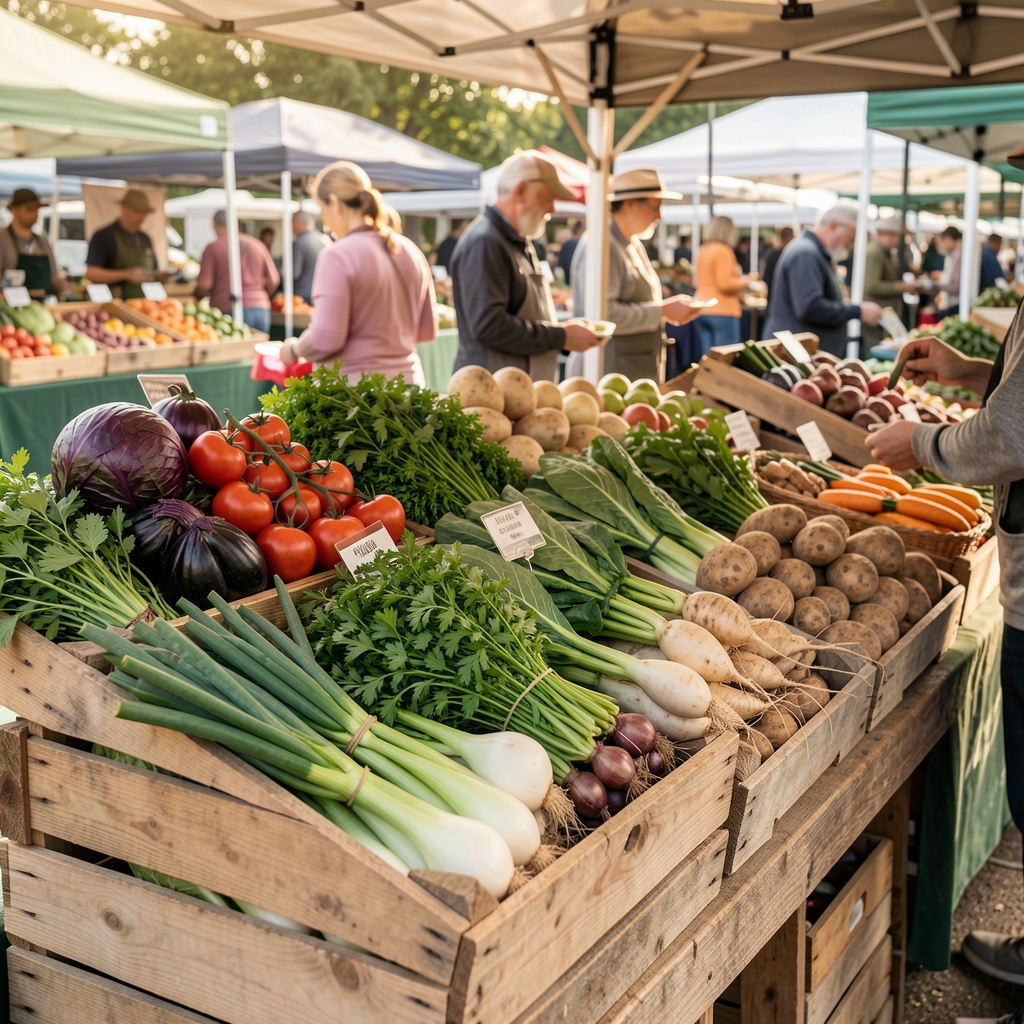
Following the produce calendar rather than the supermarket aisle — how seasonal availability shapes the rhythm of a practical kitchen.
The value of structure in weekly food preparation — from loose ingredient lists to considered multi-day cooking strategies that reduce waste and increase variety.
Attention at the table — how pace, presence, and the sensory engagement with a meal alter both the experience and the long-term cadence of eating.
The intersection of movement, daily rhythm, and the food choices that support an engaged and physical everyday life — without the register of performance culture.
Fermented staples, fibre-forward cooking, and the routines that support a comfortable and well-functioning digestive everyday experience.
Darlev Notebook operates under the following editorial principles: articles are reviewed by at least one second editor before publication, sources are cited where appropriate, corrections are noted publicly, and writers disclose any commercial relationships that could influence their selection of subject matter.
Each piece begins with a period of direct, documented observation — a week of recording meals, a month of tracking one variable across daily eating.
Observations are placed alongside published research from peer-reviewed journals and reputable institutional sources before claims are made.
Every article is reviewed by at least one editor other than the author before publication. Review focuses on accuracy of claim, register, and relevance of sources.
Corrections are noted publicly in the article record, with a brief explanation of what was revised and when. The original version is archived, not deleted.
“A food diary kept honestly — not for performance, not for instruction, but for the record — is one of the more illuminating documents a person can keep about their own daily life.”